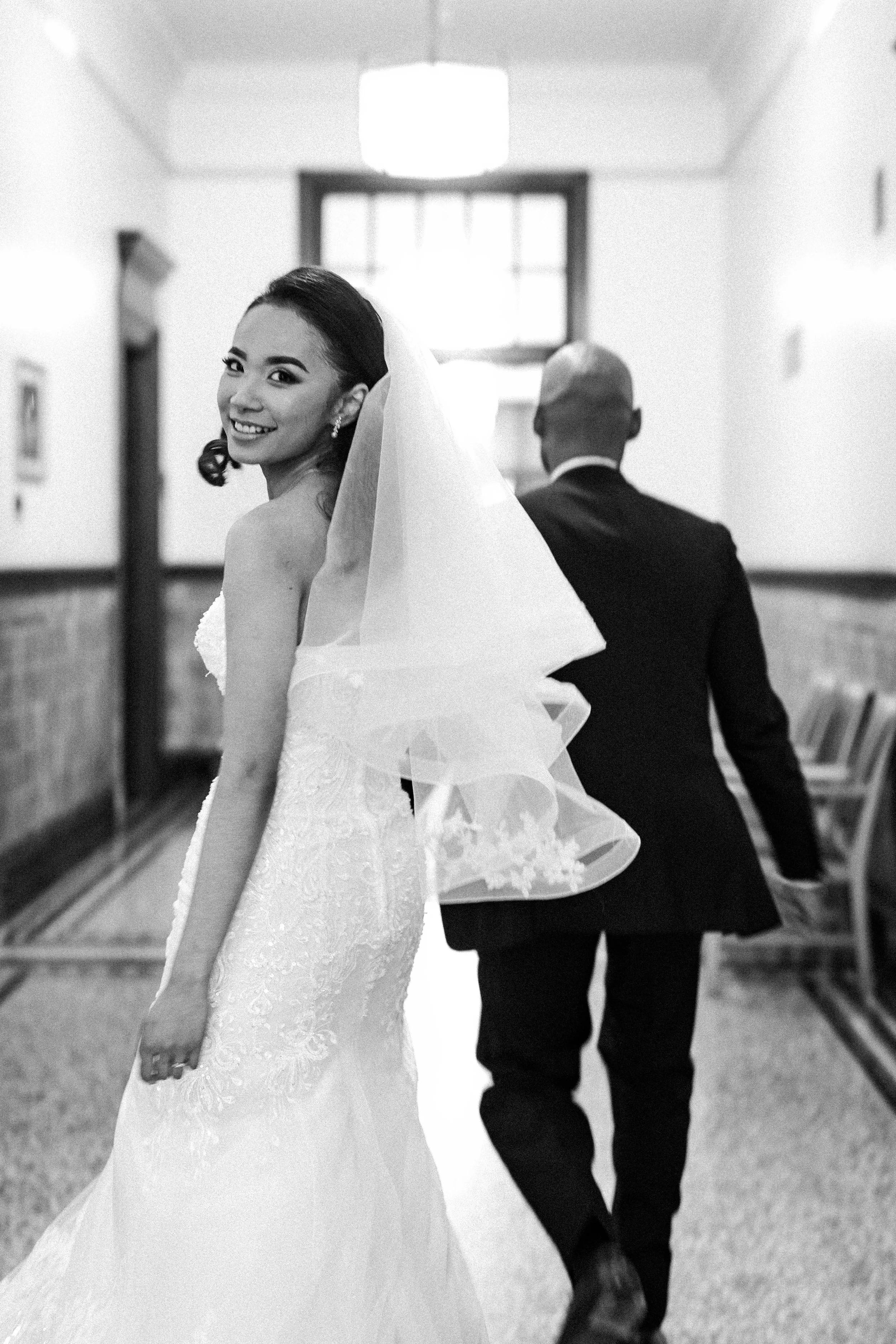
10 Things You Should Know About Registry Weddings
Planning a registry wedding? I’d like to share my experience as a former guest, wedding photographer and as a person who’s planning their own wedding soon!
Registry weddings are often described as simple.
In reality, they are structured, fast, and emotionally very exposed.
If you’re planning one, these are the things I’ve seen brides be surprised by - not because they didn’t plan, but because no one really explains how registry weddings actually work. Especially if they aren’t from the UK.
I am based in London, so I will strictly speak of my experience here. Remember to comment and let me know what you think! The more people I reach, the more brides I can (hopefully) help.
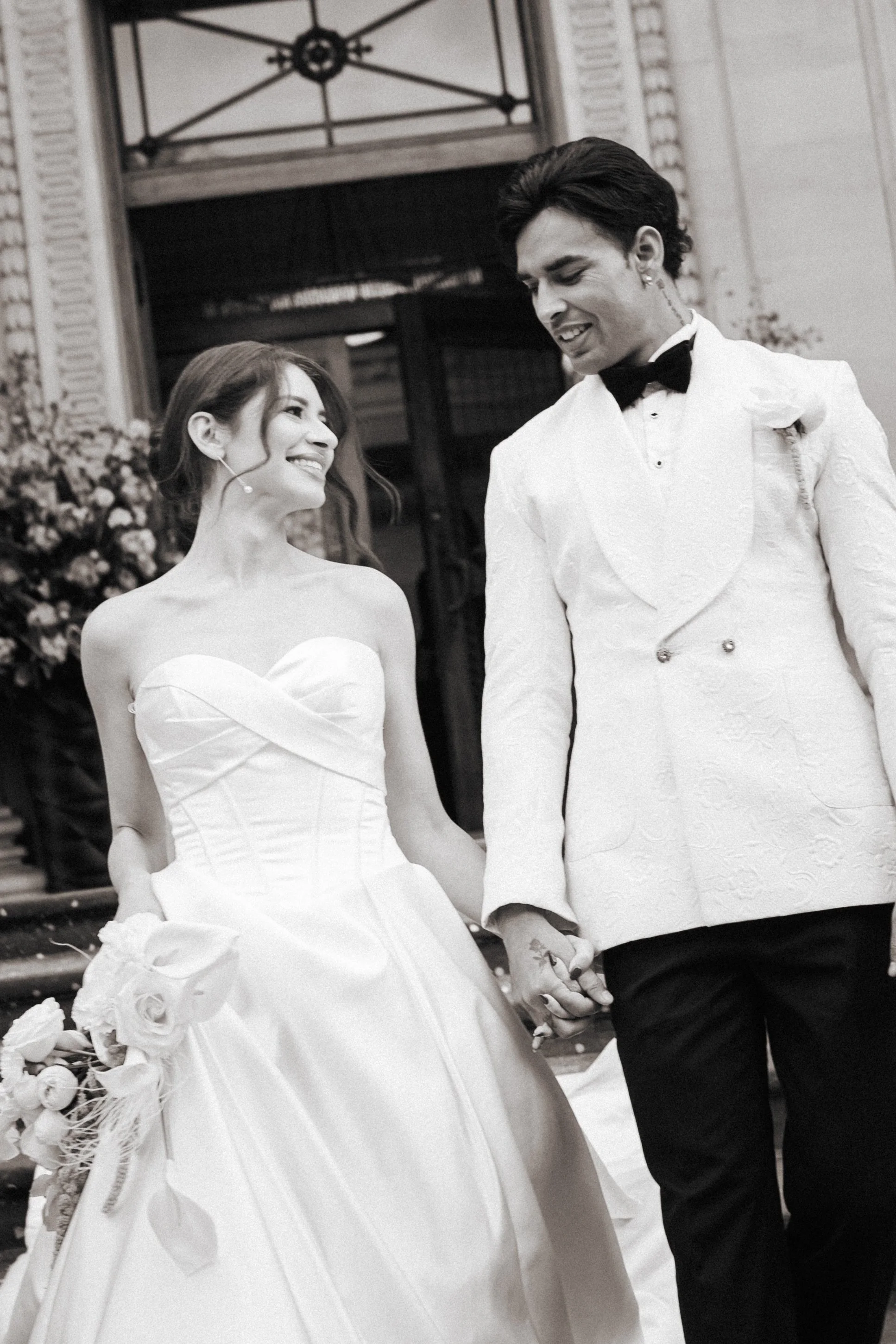
1. The ceremony is very short and very intense
I absolutely love registry weddings, but they can be a bit short and fast-paced. Many of them, especially in Central London, tend to be booked back-to-back, which means that we need to stick to the schedule.
Most registry ceremonies last around ten to twenty minutes. There’s no long build-up and no rehearsal. Once the registrar starts speaking, the ceremony moves forward without pause.
For many brides, this makes the moment feel sharper and more emotional than expected. There’s very little time to settle into it - you’re suddenly in it.
2. You arrive early, and you arrive alone
Before the ceremony, you’ll usually be taken into a private room for legal checks and final paperwork. This happens about half an hour before your booked time, and you won’t be with your guests during this part. This is the moment when your photographer can take photos of your guests arriving or some detail shots!
It’s often quieter than people expect. For some brides, it’s a grounding moment. For others, it’s when the nerves really hit.
3. Registry rooms are practical, not romantic
These spaces are designed for function. Chairs are close together. There’s limited space to step back. You sit, stand, sit again.
This changes how dresses behave. Stiffer fabrics crease quickly. Long trains can feel awkward.
This also translates into the type of photos you will have. Less decoration, darker rooms (and town halls tend to have limited light!), less space can lead to less varied photos- but still unique and personal because they will be YOURS!
4. Every guest feels present
Guest numbers are capped, often quite tightly. With ten or fifteen people in a room, it might be tricky to decide on the guest list. Brides often stick to the most immediate family for these, and invite the rest of the guests to the reception.
Because the rooms are smaller, and much more intimate, brides often notice reactions more than they expected - a parent’s expression, a friend’s tears, the silence when the vows are said. It’s intimate in a very real way.
5. The ceremony script is mostly fixed
Registry weddings follow legal wording. There’s limited room for personalisation, and changes are often subtle rather than expressive.
Many couples don’t realise this until the day. The personality of a registry wedding usually comes from what surrounds the ceremony - what you wear, how you arrive, where you go afterwards.
6. The signing is quiet and unceremonious
Signing the register isn’t a big, performative moment. It happens seated, often in silence, and it’s over quickly.
The emotion tends to come immediately before or after - in a look, a breath, a squeeze of hands - rather than during the signing itself.
7. Photography inside is discreet and limited
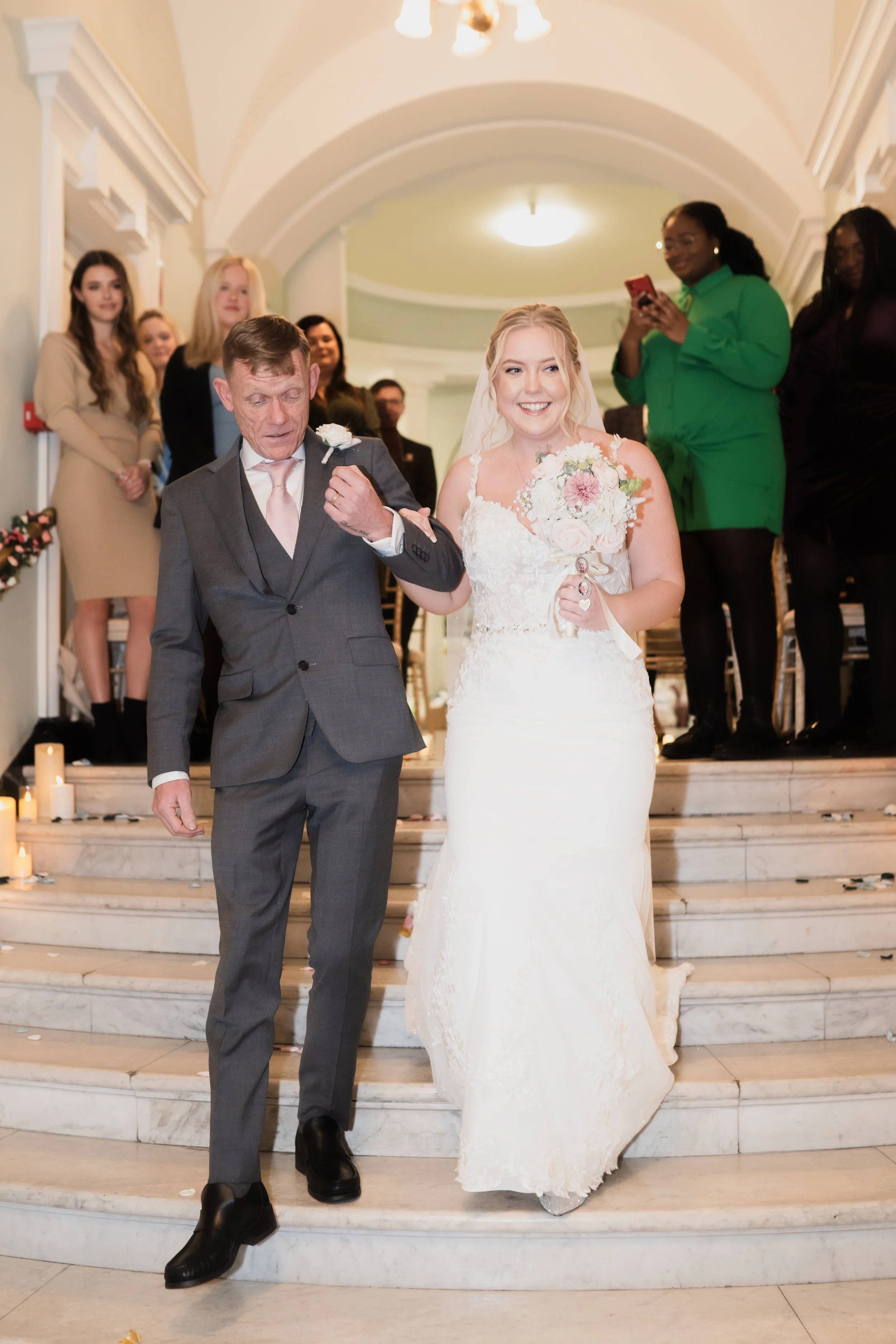
As I mentioned before, but I would like to add that most registry offices restrict movement and flash, and many allow only one photographer.
This means the images taken inside are documentary in nature - small moments, close details, quiet reactions. The more open, relaxed portraits usually happen outside. It’s always good to check out the venue beforehand or see it on Google Street View and to consult your photographer to plan the best places for photos.
8. Once it’s over, it’s really over
Registry ceremonies are booked back-to-back. When yours finishes, the room is cleared quickly for the next couple.
There’s often no lingering, no time to regroup inside. Everything shifts outdoors almost immediately.
9. Confetti is rarely straightforward
Many registry offices don’t allow confetti at all, or restrict it to specific areas - if at all. Some of them will agree eventually, but under the condition that the guests clean up afterwards… which makes for great photos!
Some of the most meaningful exits I’ve seen haven’t involved confetti anyway: walking out together, guests closing in for hugs, that first exhale once the ceremony is done.
10. Registry weddings feel more emotional than expected
Brides often tell me they didn’t expect to feel so exposed. With fewer people, fewer rituals, and less distraction, emotions come to the surface quickly.
It’s common to feel like everything needs a moment to land afterwards - which is why a quiet lunch, a walk, or simply time together often matters more than a packed schedule.
Final thoughts
Registry weddings aren’t “low effort”. They’re concentrated.
When you understand their pace and structure, you can stop trying to make them feel like something else - and allow them to be what they are: intimate, intentional, and quietly powerful.
If you’re planning a registry wedding, preparation isn’t about adding more.
It’s about giving yourself space to feel it.
Did you like what you read? Leave a comment below! Stay tuned for the next post - coming on Monday 💫